 SpriteSagaSpot
SpriteSagaSpot
SpriteSagaSpot
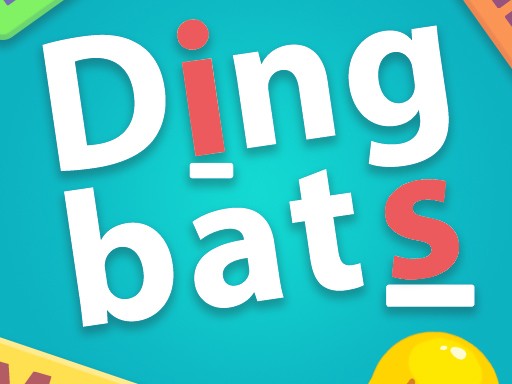
Dingbats offers a fresh take on word puzzles by using images as clues. The difficulty ramps up nicely, keeping the game challenging without being frustrating. The hint system is helpful when stuck, and the family-friendly content makes it suitable for all ages. With hundreds of levels, replayability is high, and each solved puzzle provides a satisfying sense of accomplishment. A great choice for casual play or focused brain training.
Dingbats is a word puzzle game that challenges players to decode common phrases or sayings presented as visual images. Unlike traditional word games, each clue is a picture that creatively represents a well-known expression. The core objective is to observe the visual arrangement, colors, and any text within the image, then think laterally to identify the hidden phrase. This game offers a unique twist on puzzle-solving, making it suitable for players of all ages who enjoy brain teasers and wordplay.
Each puzzle displays an image that visually hints at a common phrase, word, or idiom. Players examine the picture—noticing how elements are arranged, their sizes, positions, and any included text—and then type their guess for the phrase. After submitting an answer, the game indicates if it is correct. If stuck, players may use available hints to reveal letters or skip to the next puzzle. The game typically progresses from easier puzzles to more challenging ones, encouraging players to think creatively and build their decoding skills.
Dingbats includes a collection of picture-based clues that require lateral thinking to solve. The game offers a variety of puzzles, with increasing difficulty levels to keep players engaged. A hint system is available to assist when players encounter a particularly tricky puzzle. The content is family-friendly, making it appropriate for players of different ages. The game is designed for both solo play and group settings, such as family game nights.
To excel at Dingbats, approach each puzzle with an open mind and think about common idioms, compound words, or phrases that match the visual cues. Pay close attention to the arrangement, size, and orientation of objects in the image, as these often provide key hints. If a puzzle seems difficult, try saying the visual elements out loud or consider alternative meanings. Use hints sparingly to maximize the challenge. Regular practice will improve your ability to recognize patterns and think laterally.
Clean, kid-friendly design. Simple to play and helps sharpen observation skills. Great for quiet time.
Colorful levels and smooth controls make this a joy to play. Perfect for short gaming sessions.

A gentle fashion game with clear steps. Great for creative play and relaxation.
Clever physics puzzles with a rewarding scoring system. Great for quick plays.
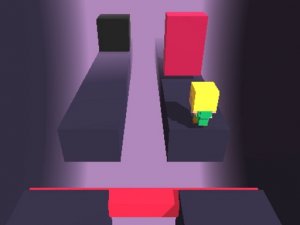
Easy tap controls and bright pixel art. A relaxing endless runner for all ages.

Bright visuals and simple controls make this pepper-catching game a fun way to test your focus.
Clean design and smooth gameplay. Great for building focus and logic in kids.
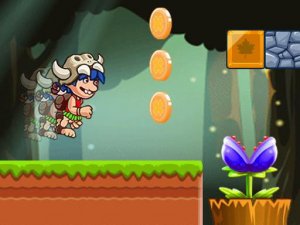
A polished retro platformer with smooth controls and charming levels. Great for quick gaming sessions.
A safe and colorful god rush game with simple controls. Great for quick family fun.