

What players say
Prehistoric Whodunit turns a simple mechanic into an engaging puzzle. The core loop of glancing behind and making snap judgments feels fresh each time. I appreciate how the game punishes both haste and hesitation equally, forcing genuine observation. The multiple endings give real weight to each decision. The clean art style keeps the tone light, making it a great choice for families. While the session length is short, the randomized scenarios ensure strong replay value. A solid pick for anyone who enjoys thoughtful, decision-driven games.
About this game
Observation at Its Core
Prehistoric Whodunit puts you in the role of a village member who must identify a hidden adversary. The primary action is simple: tap or press a key to quickly look behind you. What you see in those brief moments matters. Characters move with subtle tells, and your ability to notice who acts out of place determines your success. This is not a game about fast reflexes alone, but about reading social cues in a primitive setting.
Decision-Making and Consequences
Each tap presents a choice. If you spot someone behaving oddly, you can act to detain them. But acting too quickly may punish an innocent person, while hesitating allows the real threat to advance. The game tracks your decisions across the session, leading to one of several possible conclusions. This branching structure encourages replay, as different choices unlock different story paths.
Visual Style and Atmosphere
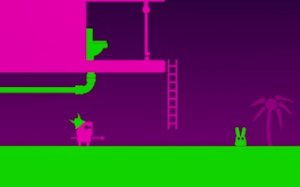
The game uses a clean, cartoon-like art style that keeps the prehistoric world inviting rather than threatening. Characters are distinct in appearance and movement, which helps players learn their patterns. The environment is simple but effective, with cave dwellings and primitive tools setting the stage. The overall tone is light and mysterious, suitable for players of all ages.
Replay Value and Variety
Each new game session randomizes which characters are suspicious and how they behave. This means no two playthroughs are identical. Players must adapt their observation strategies each time. The short session length makes it easy to try again after a wrong guess, and the multiple endings provide a clear goal to work toward. Over time, players develop a sharper eye for the subtle clues that distinguish friend from foe.









Player comments
Sign in to comment
You must be logged in before posting a review or rating.
No account? Create one
No comments yet. Be the first to comment!